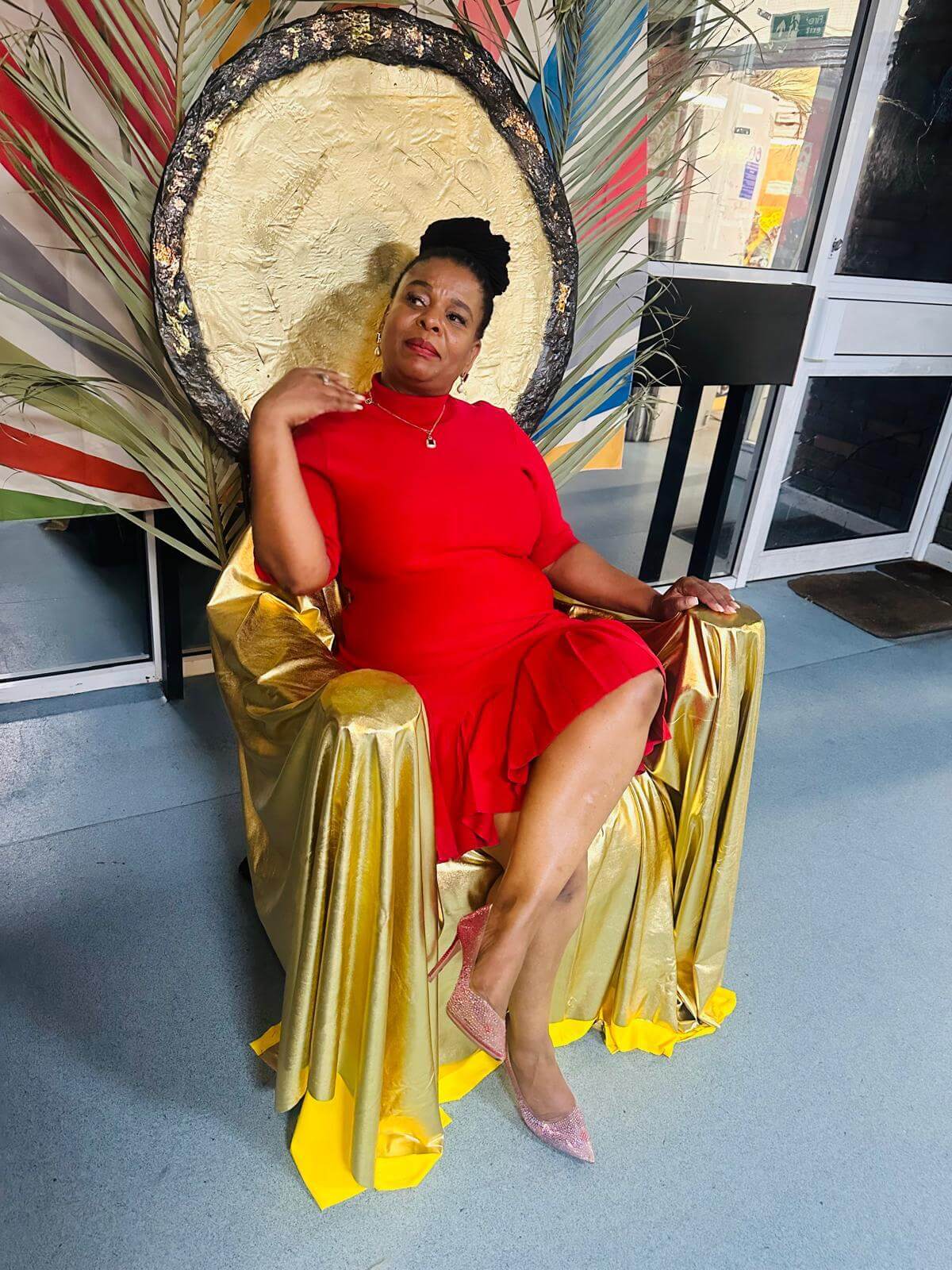
4M Mentor Mother Neo shares her story of how peer support and the HIV community got her through challenging times and helped her on her journey to get to where she is today.
Neo’s Story
When I arrived in the UK back in 1997, I had my whole life ahead of me, I had plans at the time to work and study. About six months later, I got this cough that would not go away. So I consulted my GP. The GP did some investigations but couldn’t really pinpoint what the problem was, so he decided to send me to a specialist lung/Chest physician, who took samples and then I was told I had pneumonia.
The Doctor then at that time offered me to get tested for HIV as there was high prevalence in countries south of the Sahara. I agreed to get tested and a week later as I was lying in my hospital bed the doctors surrounded me. It felt really weird because it was like something really scary had happened to me. So one of the Doctors held my hand and said to me,
Sorry I have bad news and good news for you. The bad news is your results have tested positive for HIV. And the good news is you do not have a high viral load so you don’t need to take medication at the moment as you also have a high CD4 count.
At the time all this was new information which I had to now research and find out what it meant, it didn’t really register in my thoughts the impact that this news would have on me. I knew very little about HIV. I didn’t understand what a positive result meant.
The whole narrative would change when I informed my employer that I have been told I have HIV. It was his reaction that I then realised that this is a very serious situation.
I stayed in hospital isolation for almost a month and nobody ever visited me there after. I felt so lonely and depressed. This treatment continued when I got discharged from hospital. I was treated so bad, everyone kept away from me and visitors would be told about my diagnosis. The stigma was real, It took all my dignity and self-worth at the time. I was told not to use same utensils, use a different bathroom, and not allowed to interact with the kids I was looking after, anymore. I felt even more isolated. O felt suicidal but I had this will drive to keep going.
Once I was feeling better and finished my treatment for pneumonia I started going to church. Being with others at church made me happy. I loved singing so I joined the choir and I started to socialise but I noticed that people who knew about my status treated me bad, but those I didn’t tell treated me well. From then onwards I decided to keep it to myself because then I was able to be myself. It started to feel like I lived 2 different lives.
The community nurse used to come and visit me at home and I always looked forward to seeing her as she was the only person who was very nice to me, I also started seeing the community team the social worker and advocacy worker, they made me feel better. I then told one of the ladies at my church my living condition and she took me in to live with her. I had then escaped the cruelty of my employers.
I was seeing a psychologist in my clinic every week, so when I finished my sessions with her, she asked me if I would like to meet others living with HIV. As I was not sure, she handed me a leaflet and said that it’s not a rush but when I am ready I can contact the phone number on the leaflet. I was sceptical but something pushed me to call. It was a Wednesday so when I called the lady I spoke to said to me “would you like to come tomorrow and meet with me, I will register you with us and you can come and join the support group after”.
This was the phone call that would change my life for the best. The leaflet was colourful and it was written on it – Positively Women. I remember that my appointment was for 2 pm. I had not used the tube before so when I arrived at the station I took the wrong train I realised the train was going the wrong way and got off and asked one of the workers how to get to Angel Station. The man showed me the map and explained to me about the colours on the map and how it works. I was fast and learnt how to manoeuvre the underground.
I arrived at Positively Women premises and I was welcomed by this lady with a big smile and a hug, another lady came and greeted me and said,
“you are welcome here we are family”
I looked at her and wondered if she was OK because I am thinking about dying, I am thinking about all the AIDS victims I had seen before, it puzzled me because they looked very healthy.
I believe what helped me and my resiliency is I did not look like I was going to die or anything like a sick person. So, the other lady called me in a separate room, filled some forms with me, asked some questions and she told me she was diagnosed 20 years back. That gave me hope. I was then told that there was a group happening that evening and I could join If I want to. So I decided to wait. They also they said there would be a hot meal and I could have a massage therapy, which I took on without any hesitation.
I started to attend the support groups every week, build relationships, started gaining confidence. My recovery journey was and self worth was determined by switching my thoughts of waiting to die, an do something. I took on volunteering roles to keep me connected, But most importantly to gain skills and knowledge and experience in the work environment. I was raising my kids at the same time. When my children started school opportunities came to get paid employment.
Today I have a community that I cherish a lot because they supported me throughout my challenges, complex situations and my career progression. I am now working to support others using my lived experience to support other navigate their diagnosis. All Charity Organisations providing support in the community have given life to many of us. I would not be here if it wasn’t for the community in the HIV sector. I do not want to see the services disappearing because there is no funding for them to continue this pivotal work, and for that I am grateful.
Neo